Source Straight Tip Sterile Plastic Tweezers for Labs
Compare 30 listings of straight tip sterile plastic tweezers from verified Chinese manufacturers. Buyers can evaluate features like anti-static properties, sterilization options, and customization availability for laboratory, hospital, and clinic applications; compare the available evidence and request quotations based on your requirements.
Key considerations
Products List


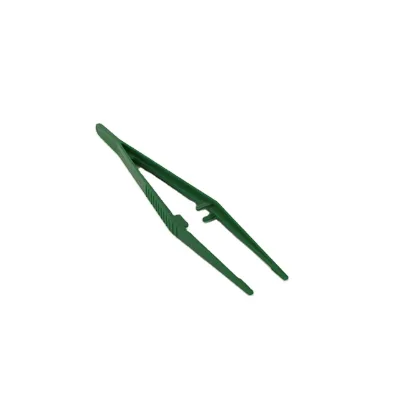
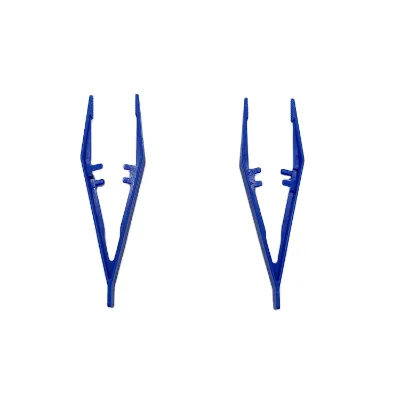


Comprehensive Sourcing Guide
Straight Tip Sterile Plastic Tweezers Sourcing Guide
Procuring straight tip sterile plastic tweezers requires careful attention to the specific classification and intended medical environment. These instruments are primarily categorized as Class I or Class II surgical supplies, depending on the specific model and application context. Buyers must distinguish between general laboratory use and clinical settings, as the regulatory requirements for sterilization and material safety vary significantly between these two domains. The observed product range includes models designed for laboratory, hospital, and clinic applications, ensuring versatility across different healthcare and research facilities.
The material composition is consistently identified as plastic, offering distinct advantages such as anti-static properties and waterproof capabilities. This material choice supports eco-friendly manufacturing practices while maintaining the structural integrity required for precise handling of small medical components. The availability of customization options allows buyers to tailor the product to specific operational needs, including color variations like blue, green, red, white, or pink. Understanding these material and functional attributes is essential for selecting the right tool for sterile procedures or general laboratory tasks.
Product Scope and Observed Listing Signals
The market for these instruments presents a wide spectrum of pricing and minimum order quantities, reflecting the diversity of supplier capabilities. Observed listing prices range from $0.01 to $55, while minimum order quantities can vary from a single piece to 100,000 units. This variance indicates that buyers can source either small trial batches or large-scale industrial supplies, depending on their immediate inventory needs and budget constraints. The flexibility in MOQ allows for strategic procurement planning, enabling smaller clinics to test products before committing to bulk orders.
Product listings frequently highlight specific model numbers such as HT-5068, JLY-PTF-004, and ZG-KY22, which serve as unique identifiers for different configurations. These models often come with distinct standard sizes, including 12.5cm, 13cm, and other customized dimensions, ensuring a fit for various procedural requirements. The packaging options are equally diverse, ranging from bulk packages to individual sterile packs, and often utilize corrugated cartons for standard export shipping. Buyers should verify the specific packaging type to ensure it aligns with their storage and sterilization protocols.
Technical Specifications to Verify
When evaluating technical specifications, the physical dimensions and structural design of the tweezers are paramount for operational efficiency. Standard sizes observed in the market include 12.5cm and 13cm, with some models offering customized length options to suit specific ergonomic needs. The straight tip design is a critical feature for precision work, and buyers must confirm that the tip geometry matches the intended application, whether it involves delicate laboratory handling or surgical procedures. Verifying the exact model number against the supplier's specification sheet ensures that the purchased items meet the required dimensional tolerances.
Material properties and functional features also demand rigorous verification to ensure compatibility with the intended environment. The products are noted for being anti-static, waterproof, and eco-friendly, which are essential characteristics for maintaining sterility and preventing contamination during use. Additionally, the presence or absence of ethylene oxide sterilization is a key differentiator; some listings specify "Without Ethylene Oxide Sterilization" while others explicitly state "Ethylene Oxide Sterilization." Buyers must clearly define their sterilization requirements before ordering, as this directly impacts the usability and regulatory compliance of the instruments in sterile fields.
Compliance and Safety Documentation
Regulatory compliance is a non-negotiable aspect of sourcing medical-grade plastic tweezers, particularly when the instruments are intended for clinical use. The observed product listings often reference certifications such as FDA, CE, ISO, FSC, and GMP, which serve as indicators of adherence to international quality and safety standards. However, buyers must treat these certifications as observations rather than universal guarantees, verifying that the specific batch or model holds the necessary approvals for the target market. The instrument classification, ranging from Class I to Class II, further dictates the level of regulatory scrutiny required for import and distribution.
Safety documentation must also address the sterilization status and material safety claims explicitly. While some products are marketed as ethylene oxide sterilized, others are supplied without this treatment, requiring the buyer to arrange for secondary sterilization if necessary. The "Class I" and "Class II" classifications imply different risk levels and regulatory pathways, necessitating a thorough review of the supplier's quality management system. Ensuring that the supplier can provide valid certificates for the specific models ordered is essential to mitigate liability and ensure patient safety in hospital or clinic settings.
Cost Drivers and Commercial Terms
The commercial landscape for these tweezers is influenced by several key cost drivers, including customization, packaging, and order volume. Customization options, such as logo printing and specific color selections, often incur additional costs compared to standard unbranded items. The choice between bulk packaging and individual sterile packaging also significantly impacts the unit price, with individual packaging generally commanding a higher cost due to the added labor and materials involved. Buyers should carefully weigh these factors against their budget constraints and operational requirements to optimize total cost of ownership.
Lead times and delivery terms are critical components of the commercial agreement that affect supply chain reliability. Typical delivery windows are commonly within 30 days, though this can vary based on the specific order quantity and the supplier's current production capacity. The minimum order quantity, which can range from a single piece to thousands of units, directly influences the per-unit cost and the feasibility of the order. Understanding these commercial terms allows buyers to negotiate effectively and plan their inventory replenishment cycles to avoid stockouts or excessive holding costs.
Supplier Qualification and Quality Control
Supplier qualification is a foundational step in securing a reliable supply of medical plastic tweezers, requiring a thorough assessment of the manufacturer's capabilities. Many suppliers identify as factories, which suggests direct manufacturing control and potentially better quality assurance compared to trading companies. The location of production, often in China (Mainland) or specific provinces like Shanghai and Jiangsu, provides insight into the logistical and regulatory environment the supplier operates within. Buyers should verify the supplier's physical presence and production capacity to ensure they can meet volume demands and maintain consistent quality standards.
Quality control processes must be rigorously evaluated to ensure that the products meet the specified technical and safety requirements. The availability of a two-year quality guarantee period is a significant indicator of supplier confidence in their product durability and performance. However, this guarantee should be backed by clear terms and conditions that define the scope of coverage and the process for handling defects. Buyers should request detailed quality control reports and inspection protocols to confirm that the supplier maintains strict adherence to the stated standards and certifications throughout the production process.
Long-Term Procurement Checks
Establishing a long-term procurement strategy for straight tip sterile plastic tweezers involves continuous monitoring of supplier performance and product consistency. Regular audits of the supplier's quality management system and adherence to certifications like ISO and GMP are essential to maintain high standards over time. Buyers should also track changes in product specifications, such as material composition or sterilization methods, to ensure that the instruments remain suitable for their intended applications. Proactive communication with the supplier regarding any potential changes helps mitigate risks associated with supply chain disruptions or regulatory updates.
Sustainability and environmental impact are increasingly important factors in long-term procurement decisions, especially given the eco-friendly features observed in many product listings. Buyers should assess the supplier's commitment to sustainable manufacturing practices and the recyclability of the plastic materials used. Additionally, the ability of the supplier to provide free samples for testing allows for ongoing validation of product quality before committing to larger orders. By integrating these long-term checks into the procurement process, organizations can build a resilient supply chain that supports both operational efficiency and environmental responsibility.
FAQs
What materials are used for these tweezers?
These tweezers are manufactured from high-quality plastic materials. The plastic construction ensures they are lightweight, durable, and suitable for single-use applications in laboratory and clinical settings. This material choice supports features like being anti-static and waterproof, making them reliable for various medical and scientific tasks.
Are these tweezers sterilized before use?
Sterilization options vary by product model. Some items are ethylene oxide sterilized for immediate clinical use, while others are supplied without sterilization. Buyers should check the specific product attributes to confirm the sterilization status required for their intended application in hospitals, clinics, or laboratories.
What certifications do these products hold?
The products hold several key certifications including FDA, CE, ISO, FSC, and GMP. These credentials verify compliance with international quality and safety standards. Buyers can rely on these certifications to ensure the tweezers meet regulatory requirements for medical and laboratory use in various global markets.
Can I customize the size or logo?
Yes, customization is available for both size and branding. Buyers can request specific dimensions such as 12.5cm or 13cm, and options for logo printing are provided. This flexibility allows organizations to tailor the tweezers to their specific operational needs and branding requirements effectively.
What is the typical lead time for orders?
Delivery times are based on order quantity but are commonly within 30 days. This timeframe allows for efficient production and shipping processes. Buyers should consider their specific volume requirements when planning procurement schedules to ensure timely receipt of the sterile plastic tweezers for their operations.
What is the minimum order quantity?
MOQs vary significantly, ranging from 1 piece per size to 3000 pieces depending on the specific model and supplier. This wide range accommodates both small sample requests and large bulk orders. Buyers should verify the exact MOQ for their chosen product model to align with their purchasing capacity.